HSD, hEDS tied to diagnostic delays, poor quality of life in aging women
Study: They also tend to have multiple coexisting health conditions
Written by |
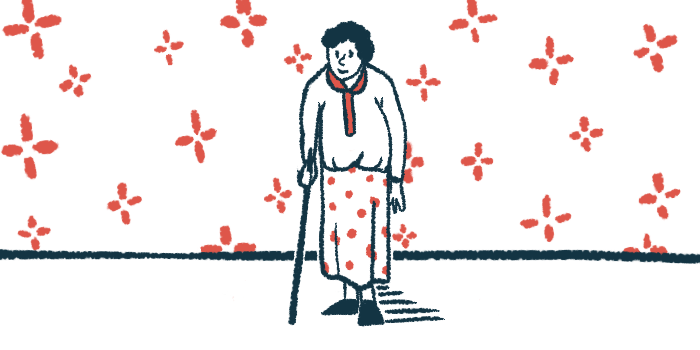




Women at midlife and older age with hypermobile Ehlers-Danlos syndrome (hEDS) and hypermobile spectrum disorder (HSD) experience long diagnostic delays, multiple coexisting health conditions, and poor health-related quality of life, according to a U.S. survey.
The survey, conducted by Linda K. Anderson, PhD, an adjunct assistant research professor in the Sinclair School of Nursing at the University of Missouri, found that symptoms often began early in life but went undiagnosed for many years, and significantly affected both physical and emotional well-being.
“More research is needed to understand the clinical characteristics and disease trajectory and explore applicable nursing theories to inform research and practice on rare, chronic, poorly understood, and highly disabling conditions such as hEDS/HSD,” Anderson wrote in the study. She added that these efforts “will be critical to facilitate timely diagnosis and effective treatments, which will ultimately lead to improved mental and physical [health-related quality of life] in this population.”
The study, “Health-Related Quality of Life in Midlife and Older Women With Hypermobile Ehlers-Danlos Syndrome and Hypermobility Spectrum Disorders,” was published in the journal Nursing for Women’s Health.

Diseases’ impact on women’s well-being as they age poorly understood
Ehlers-Danlos syndrome (EDS) refers to a group of connective tissue disorders caused by defects in the production or function of collagen, a key protein that provides structure and strength to skin, joints, and other tissues. As a result, many people experience symptoms such as overly flexible joints, fragile or stretchy skin, fatigue, and chronic pain.
The most common EDS type is hEDS, whereas HSD is diagnosed when a person has joint hypermobility but does not fulfil all the criteria for hEDS.
Both conditions are associated with substantial diagnostic delays, multiple coexisting health conditions, heavy symptom burden, and reduced quality of life. Although both hEDS and HDS disproportionately affect women, their impact on well-being and quality of life as women age remains poorly understood.
To address this gap, Anderson surveyed 66 women ages 40 and older with hEDS or HSD who were recruited through Facebook support groups. Participants completed a 60-item questionnaire covering personal details and health history, along with four optional free-text questions on factors affecting their physical and mental well-being. Health-related quality of life was assessed using the 36-Item Short-Form Health Survey (SF-36). Data were collected between May and June 2023.
Participants had a mean age of 55, with ages ranging from 40 to 87. Most were white, resided in the U.S., had a college education, and were married. Similar proportions were employed full-time or were unable to work due to disability, and about one in five were retired. Most described themselves as independent or mostly independent in daily life.
Symptoms typically began in childhood, but women did not seek care until their late 20s. The mean age at diagnosis was 45.9, representing a delay of more than 18 years from first seeking treatment. Multiple coexisting health conditions were common: 97% reported at least two additional diagnoses, and 62.1% reported seven or more.

Results show high symptom burden in areas of physical health
SF-36 results showed a high overall symptom burden and poor quality of life, particularly in physical health domains. Scores reflected limitations related to daily activities, fatigue, and pain. Mental health scores were somewhat higher but still indicated reduced emotional well-being compared with population norms.
Participants’ comments illustrated how symptoms shaped physical well-being. “Fatigue, brain fog, pain, lack of sleep” or “not having proper medical care” were described as making daily functioning difficult.
Environmental triggers, including “stormy weather and barometer changes,” “exposure to pollen, mold, or chemicals,” and “noise, bright lights, strong smells,” were also reported to worsen physical symptoms. Physically demanding roles, such as being a care provider for aging parents, added further strain.
These findings underscore the need for further research into environmental and sociodemographic factors that must be addressed to achieve optimal physical and mental health and well-being in this population.
Different factors influenced mental well-being. Supportive relationships, enjoyable activities, and “encouragement from docs and physical therapist” were linked to better emotional health.
In contrast, “barriers to health care – access to knowledgeable physicians/providers, insurance limits on medications/treatments,” “being negative,” having “no energy ever,” and feeling there was “no hope for improvement” were described as harmful to participants’ mental well-being.
“These findings underscore the need for further research into environmental and sociodemographic factors that must be addressed to achieve optimal physical and mental health and well-being in this population,” Anderson said.
Beyond symptom burden, the study highlights implications for care. Because hEDS and HSD affect multiple body systems and lack a clear clinical specialty, patients often experience fragmented care. Anderson noted that nurses and primary care providers are well-positioned to take a holistic approach, improve recognition of these conditions, and help coordinate management — especially in areas where specialist care is limited.