
Breathing issues hamper daily activities, quality of life in hEDS
Patients describe toll of 'invisible' symptoms on activity, daily life
Written by |
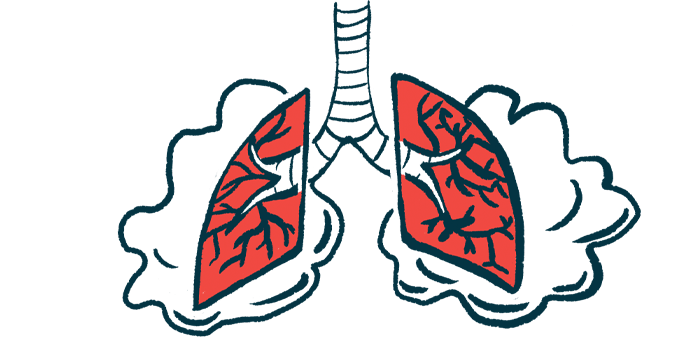




Breathing problems have a significant effect on daily activities and quality of life for people with hypermobile Ehlers-Danlos syndrome (hEDS) and generalized hypermobility spectrum disorder (G-HSD), a study showed.
People with hEDS or G-HSD who had more severe dyspnea (shortness of breath) were more likely to have poorer physical health-related quality of life, higher fatigue levels, and reduced ability to carry out physical activities. Interviews revealed how breathing symptoms can fluctuate and may be difficult to recognize.
“The findings highlight the importance of assessing and managing respiratory symptoms in the hEDS and G-HSD population,” the researchers wrote. “Future studies should address the utility of rehabilitation programs in managing dyspnea and other respiratory symptoms in EDS and G-HSD.”
The study, “The impact of dyspnea on health-related quality of life and physical activity in hypermobile Ehlers Danlos syndrome and generalized-hypermobility spectrum disorder,” was published in Respiratory Medicine.
hEDS and G-HSD are connective tissue disorders commonly associated with EDS symptoms such as joint hypermobility, fragile skin, and chronic pain. Their effects can extend beyond the musculoskeletal system, affecting organs throughout the body.

Respiratory issues in hEDS, G-HSD
People with hEDS may experience respiratory issues such as dyspnea, cough, chest tightness, and wheezing, possibly due to changes in the connective tissue that supports the lungs and chest. Respiratory symptoms may interfere with daily functioning and quality of life, but their effect on people with hEDS and G-HSD has not been well characterized.
To learn more, researchers in Canada used a combination of patient-reported outcome measures and interviews, along with objective measures of physical activity from a wearable device.
The study involved 47 participants, 15 with hEDS and 32 with G-HSD. Their mean age was 35 years, and most were women (87%). Almost two-thirds (64%) reported moderate to moderately severe dyspnea, and 10.5% had severe dyspnea.
Among the 15 participants who underwent lung function testing and chest X-rays, results were generally normal. Standard measures of lung function did not correlate with reported respiratory symptoms, quality of life, fatigue, or physical function.
Poor sleep quality was also common, affecting 94% of participants. Regarding mental health, 62% reported moderate to extremely severe anxiety, 40% moderate to extremely severe depression, and 30% moderate to extremely severe stress. Participants with G-HSD reported higher levels of stress and depression, and lower mental health-related quality of life, than those with hEDS.
Among the 21 participants who provided activity-tracker data, the median daily step count was 3,869. The majority (57%) recorded fewer than 5,000 steps a day, a level classified as sedentary.
More severe dyspnea was associated with poorer physical health-related quality of life, more severe fatigue, and lower functional capacity, even after accounting for age, sex, and EDS subtype.
Interviews with 11 people with hEDS or G-HSD yielded detail about the “dynamic and invisible nature” of respiratory symptoms, according to the study. Participants said the severity and frequency of their respiratory issues could vary from day to day, and some said their symptoms were overlooked because they were less visible than joint problems.
“It can be more invisible, like it’s not like a dislocated joint or swollen joint that people can always see,” one participant with hEDS said.
Patients also noted the toll of respiratory symptoms on daily life and physical activity, saying walking, climbing stairs, working, and participating in school or social activities were all affected. Some participants avoided physical activity, creating a cycle in which inactivity made exercising increasingly difficult.
“It’s a bit of a vicious cycle, because the less activities you do the less in shape you are and the more taxing it is to do it,” said one hEDS patient.
Two participants said regular exercise had helped ease their respiratory symptoms.
“I’ve been much more regular, five to seven days of exercise a week, pretty steady for the last three years and I have found my respiratory health has been pretty good during that time,” one said.
Most interviewees described dyspnea and fatigue as closely linked, with the two symptoms often worsening together during physical activity. Participants said this was a “vicious cycle” or a “domino effect.”
“Fatigue is, I would say pretty much 100% of the time linked,” one participant with hEDS said, describing how respiratory problems were followed by fatigue.
Patients used deep breathing techniques, inhalers, and medications for underlying diseases to help with their respiratory issues, but they said some strategies that help ease some problems could worsen others. One person described it as a “Catch-22” situation.
“I know, like, exercise is important, but then it also kind of makes you feel not so great,” the participant, a hEDS patient, said. You know, self-care as well, like taking baths, the heat makes me more dizzy.”
The participants expressed a need for coordinated care across specialists.
“Because it’s a multi system disease, I would like to see a clinic dedicated to having patient rounds where they would sit and talk about one particular case and all the specialists would weigh in,” one said.


Leave a comment
Fill in the required fields to post. Your email address will not be published.