
Guest Voice: Living with EDS takes the strength of a zebra
EDS changed the course of my life, but it can't take away my hope
Written by |





I was 48 years old when my health began to decline. After years of searching for answers, I was finally diagnosed with Ehlers-Danlos syndrome (EDS) in 2023 at the age of 56.
Living with EDS has changed every part of my life. Although I may appear healthy on the outside, this invisible disease has created havoc throughout my body. Most people never see the daily battle taking place beneath the surface, and only my husband truly sees what I endure. I often “fake it until I can’t make it” — and then I crash.
Each day begins with uncertainty. I never know which joints will hurt, whether brain fog or overwhelming fatigue will limit my ability to think clearly, or whether I’ll have enough energy to make it through the day. Chronic pain, irritable bowel syndrome, recurrent kidney infections, poor-quality sleep with very little rapid eye movement sleep, difficulty regulating my body temperature, and unstable joints have become part of my everyday life.

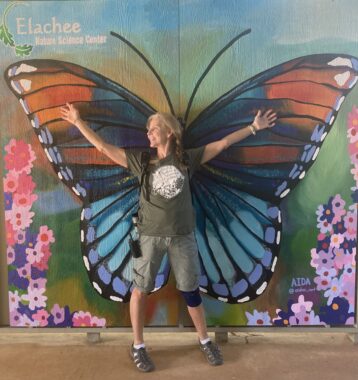
Although EDS has changed the course of Paula Burzotta’s life, it has not taken away her faith, determination, or hope. (Courtesy of Paula Burzotta)
Despite these challenges, I spent more than nine years working in physically demanding manual labor positions for nonprofit organizations. I loved serving others, and my work gave me purpose. Even as the pain increased, I continued because helping people mattered to me. Eventually, my body could no longer keep up, and I made the difficult decision to leave behind the work I loved.
Over the years, I have undergone multiple major surgeries related to EDS complications, including cervical spine surgery, shoulder surgery, rib resection, and bilateral ulnar nerve and carpal tunnel surgeries. Each brought hope and meaningful relief — for a while. But this disease is relentless. Once one problem improves, another often develops because the underlying connective tissue disorder remains. It often feels like living through a never-ending cycle of recovery followed by another setback.
Today, I continue to struggle with worsening problems in both my cervical and lumbar spine. My neck causes pain, weakness, and symptoms of cervical radiculopathy. My lower back causes severe pain that radiates into my hips and legs, making standing, walking, sitting, and even sleeping difficult. I know I need updated MRI studies because this pain is far beyond ordinary muscle soreness. It is chronic, progressive, and affects nearly every aspect of my daily life.
One of my greatest frustrations has been access to appropriate medical care. Medication helps me function, and physical therapy has been invaluable in maintaining strength and joint stability. Unfortunately, my insurance covers only 40 physical therapy visits each year. For someone with a lifelong connective tissue disorder, that simply isn’t enough.
My insurance also limits where I can receive care, making specialized EDS clinics, including Mayo Clinic and other multidisciplinary centers, financially and geographically out of reach. I continue to wait for a decision on my Social Security Disability claim, which has now been pending for well over a year since it was reinstated. Living with EDS often feels like fighting two battles at once: the disease itself and the barriers to receiving the care I need.
I continue to exercise using the physical therapy exercises I was taught because I know movement is essential for maintaining strength and joint stability. However, exercise is a constant balancing act. Too much activity can lead to overwhelming exhaustion, painful flare-ups, and days of recovery. Every day is a careful balance between doing too much and not doing enough.
This disease has taken away much of my independence and my ability to continue the work I loved. It has affected not only my physical health, but also my friendships, family relationships, finances, future, and emotional well-being. Chronic pain is exhausting, but so is living with an illness that is often misunderstood simply because it cannot be seen.
Although EDS has changed the course of my life, it has not taken away my faith, determination, or hope. If I can no longer serve others through the physical work I once loved, then I hope to serve by raising awareness, participating in research, advocating for better care, and helping others feel seen, understood, and never alone.
This is our journey as zebras. It is not the journey any of us would have chosen, but I believe there is purpose in it. My prayer is that by sharing my story, someone else will find answers sooner, receive better care, and know they are never alone.
All of this takes tremendous strength — the strength of a zebra.
“We also glory in our sufferings, because we know that suffering produces perseverance; perseverance, character; and character, hope.” — Romans 5:3-4
To submit your own Guest Voice for publication on Ehlers-Danlos News, please email your idea to our columns manager at [email protected] with the following included in the subject line: “Guest Voice: Ehlers-Danlos News.”
Note: Ehlers-Danlos News is strictly a news and information website about the disease. It does not provide medical advice, diagnosis, or treatment. This content is not intended to be a substitute for professional medical advice, diagnosis, or treatment. Always seek the advice of your physician or another qualified health provider with any questions you may have regarding a medical condition. Never disregard professional medical advice or delay in seeking it because of something you have read on this website. The opinions expressed in this column are not those of Ehlers-Danlos News or its parent company, Bionews, and are intended to spark discussion about issues pertaining to Ehlers-Danlos.

Leave a comment
Fill in the required fields to post. Your email address will not be published.